


Aaren Lashone Simpson’s story is brief, tender, and often searched in moments when people want a clear, respectful summary rather than sensational headlines. An “Aaren Lashone Simpson: Quick Biography” should honor facts, protect dignity, and avoid turning a child’s tragedy into spectacle.
Behind the name is a reminder that public families still experience private heartbreak. This article focuses on what reputable records and contemporaneous reporting support, while keeping the tone human and careful—because accuracy and compassion belong together, especially when the subject is a child.
Early Life and Background
Aaren was born in late September 1977 in Los Angeles, according to widely repeated family-tree and memorial records. Her life unfolded mostly away from cameras, long before later events would pull her family name into constant public discussion.
Because she died very young, there are fewer public documents describing her early milestones. What remains is a small set of consistent details—birth, family relationships, and the date of her passing—preserved through memorial databases and archival reporting.
Family Context and Relationships
Aaren was the youngest child of O. J. Simpson and his first wife, Marguerite Whitley, and she had two older siblings. Many references note that her parents’ relationship had already gone through major changes by 1979.
It’s important to separate family context from assumptions. Public sources generally confirm basic relationships, but they do not provide a full window into the family’s private routines. Responsible biographies acknowledge those boundaries instead of filling gaps with guesses.
Quick Facts About Aaren Lashone Simpson
In an “Aaren Lashone Simpson: Quick Biography,” readers often want the essentials first: who, when, where, and what is confirmed. The most consistent records list her birth in September 1977 and her death in August 1979.
Quick facts (high-level):
- Born: September 1977 (commonly recorded as Sept. 24)
- Died: August 26, 1979 (age 1)
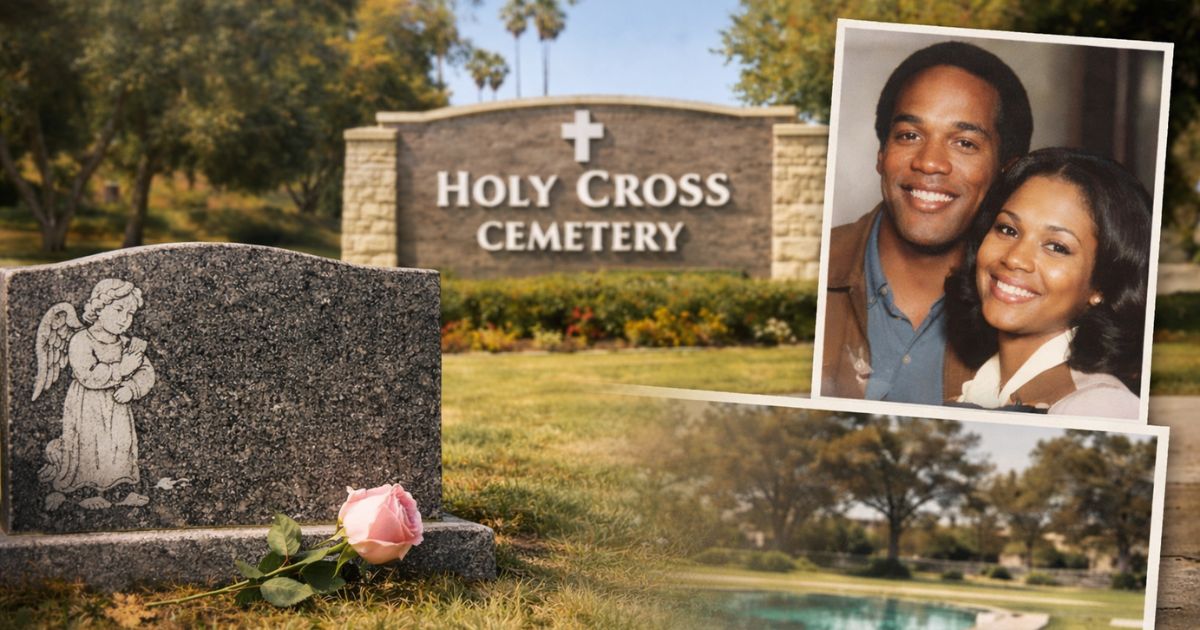
- Associated locations: Los Angeles area; burial records point to Holy Cross Cemetery
Childhood and Day-to-Day Life
Most of Aaren’s day-to-day life was not documented publicly, which is typical for toddlers—even those connected to famous names. That absence doesn’t mean the story is empty; it means the public record is small, and we should treat it gently.
What can be said with confidence is that she lived within a family navigating work, separation, and public attention. Even so, the details that matter most—her personality, favorite things, tiny routines—were likely held close by relatives, not newspapers.
Key Timeline of Events
A timeline helps keep the narrative clear and prevents misinformation from creeping in. Publicly accessible records establish a short arc: birth in 1977, an accident in August 1979, hospitalization, and her death later that month.
Contemporaneous reporting described Aaren as being found in critical condition after an incident involving a swimming pool and then taken to UCLA Medical Center. Reports noted she remained in a coma shortly after the event.
Timeline Highlights (At a Glance)
A clear “at a glance” view prevents a biography from turning into rumor. It also encourages readers to focus on dates, not dramatized retellings. The core timeline markers—September 1977 and late August 1979—appear consistently across credible references.
The reported accident occurred in mid-August 1979, with coverage noting she was revived by paramedics and transported for hospital care. She died on August 26, 1979, according to memorial records.
What Happened: The Core Incident Explained
The most reliable summaries state that Aaren suffered a drowning incident involving a family swimming pool in August 1979. A major newspaper report from that period described her as nearly drowning and remaining in a coma afterward.
The same coverage emphasized the seriousness of her condition and limited details shared publicly, including statements that updates were restricted at the family’s request. That restraint is worth respecting today: a child’s final days should not be treated like public entertainment.
Public Reports vs. Verified Information
With tragedies, the internet often amplifies “confident-sounding” claims that aren’t backed by primary reporting or consistent records. Verified information usually comes from contemporaneous journalism, reputable encyclopedic summaries, and consistent memorial or index entries—not recycled blog posts.
A simple rule helps: if a detail isn’t present in strong sources, treat it as unconfirmed. In this case, the strongest sources confirm the drowning incident, hospitalization, coma status reported at the time, and the date of death recorded in memorial data.
Medical Response and Aftermath
Contemporary reporting indicates paramedics revived Aaren and she was transported to UCLA Medical Center, where she was described as being in a coma shortly afterward. These details appear in archival news coverage and are among the most concrete parts of the public record.
Memorial sources record that she died on August 26, 1979. Beyond that, specific medical particulars are not widely documented in primary reporting. A careful biography should avoid inventing clinical details and instead focus on what is actually supported.
Public Interest and Media Coverage
Public curiosity about Aaren increased because her father was already famous and later became one of the most widely discussed figures in American media. Yet Aaren’s life occurred years before the media era that would turn the family into constant headline material.
As a result, modern coverage is often retrospective: short explainers, brief mentions, and timeline notes. The challenge is that secondhand summaries can drift from the original record, so readers should prefer sources that point back to archival reporting or consistent public indexes.
Common Myths and Misconceptions
One common misconception is conflicting birth or death dates pulled from low-quality social posts. When different dates appear, prioritize consistent records such as memorial indexes and reputable summaries rather than viral graphics or copied content with no sourcing.
Another myth is adding dramatic “hidden” details about blame or intent. Credible reporting focuses on the emergency response and her medical condition, not sensational narratives. If a claim can’t be traced to strong sources, it should not be repeated as fact.
Legacy and Remembrance
Aaren’s legacy is not a public career or a long list of achievements—it is the quiet reminder of a life that mattered, even if it was short. Many families carry memories that never become headlines, and that private remembrance is itself meaningful.
Her burial is commonly listed at Holy Cross Cemetery in Culver City, which gives a concrete place where remembrance can be grounded in reality rather than rumor. In that sense, memorial records do important work: they keep names anchored to verified history.
Why This Biography Matters Today
People still search “Aaren Lashone Simpson: Quick Biography” because the internet often turns human stories into fragmented trivia. A respectful biography restores context: a child, a family, and a tragedy—without using grief as a clickbait device.
It also matters because it models a healthier way to read about real lives: verify dates, avoid rumors, and treat loss with care. When we insist on accuracy and decency together, we improve the quality of public memory for everyone.
FAQs
Many readers ask the same core questions: who she was, how old she was, and what happened. The most reliable public summaries state she was born in September 1977 and died on August 26, 1979, after a drowning incident in August 1979.
How old was she?
Memorial records list her as age 1.
What happened?
Archival reporting described a near-drowning and coma after a swimming pool incident.
Where is she buried?
Holy Cross Cemetery (Culver City) is commonly cited in memorial listings.
Sources, Citations, and Further Reading
For topics like this, start with contemporaneous journalism and consistent public indexes. Archival newspaper reporting is valuable because it captures what was known at the time, while memorial databases help confirm dates and resting place with fewer narrative additions.
If you want to read further, prefer sources that clearly cite records or reputable references, and be cautious with sites that dramatize details without documentation. For a baseline, reputable summaries and memorial entries can anchor your understanding before you explore broader context.
