


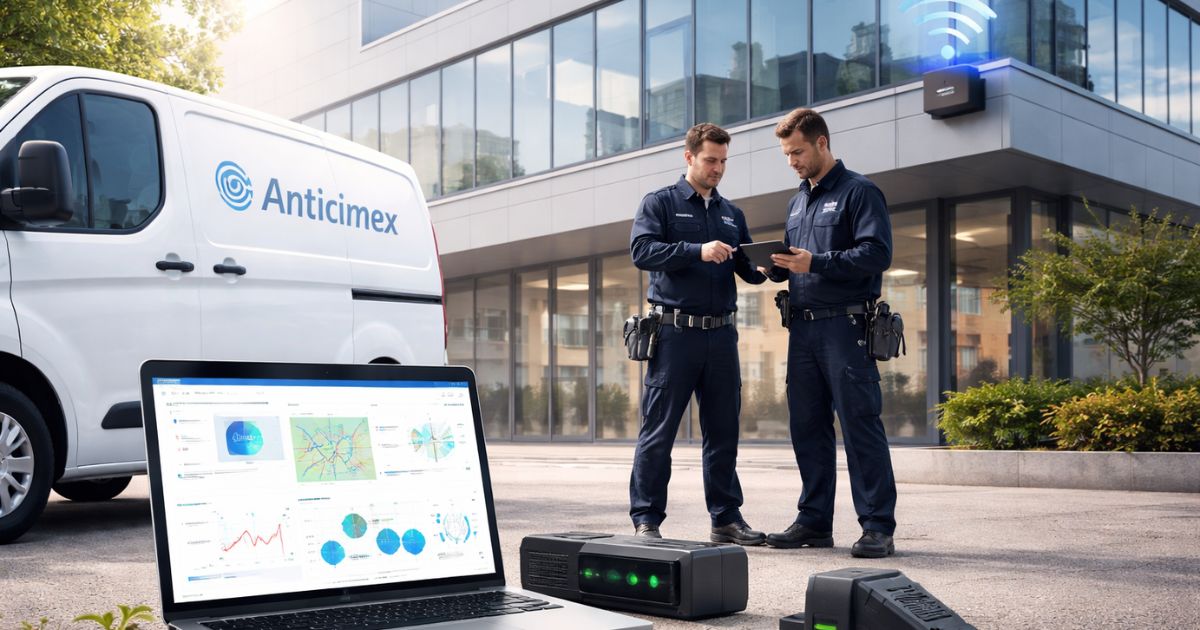
The phrase “anticimex aktiebolag / wisecon a/s förvärvsstrategi” looks intimidating, but it is simply a compact way to talk about one company’s acquisition-driven growth story. It combines two legal company names with a single strategic word: acquisitions.
In plain English, the keyword points to how Anticimex used ownership and eventual acquisition of WiseCon to accelerate a digital, scalable pest-control model. This article explains the terms, the logic behind the move, and what “success” looks like after the deal.
Quick Translation & Terminology Guide
“Aktiebolag” is the Swedish term for a limited company, similar to Ltd. or Inc., while “A/S” is the Danish equivalent. These legal forms matter because they shape share ownership, governance, and the mechanics of buying stakes or completing a full takeover.
“Förvärvsstrategi” translates to acquisition strategy: a plan to grow by purchasing companies, technology, or capabilities instead of building everything internally. When you see this word attached to Anticimex and WiseCon, it signals a deliberate M&A pathway, not a one-off purchase.
Who Is Anticimex Aktiebolag?
Anticimex is best known for pest control and related preventive services that protect homes, workplaces, and critical facilities. Service brands like this often compete on trust, consistency, and speed, because customers want problems solved quietly, safely, and reliably.
Over time, companies in this space evolve from reactive “call us when it’s bad” work into proactive monitoring, documentation, and prevention. That shift creates a natural reason to acquire specialized technology, which is where the anticimex aktiebolag / wisecon a/s förvärvsstrategi keyword becomes meaningful.
Who Is WiseCon A/S?
WiseCon is associated with technology that supports smarter pest monitoring and more automated reporting. Instead of relying only on periodic manual checks, digital systems can detect activity earlier, reduce unnecessary visits, and create data trails that commercial customers appreciate.
For a service-led company, a technology partner like WiseCon can function like an engine under the hood: customers still buy a service outcome, but the outcome becomes faster, more measurable, and easier to scale. That capability is often more efficient to acquire than to reinvent.
The Strategic Context Behind the Keyword
When people search this term, they are usually looking for the “why” behind a corporate move: why a pest-control group would invest in a tech firm, and why the relationship might deepen over time. The keyword compresses that curiosity into a single searchable label.
The broader backdrop is digitization across field services: sensors, connectivity, dashboards, and predictive maintenance. In this environment, acquisitions become shortcuts to capability, letting the buyer leapfrog years of product development and quickly standardize innovation across many branches.
Deal Logic: Why Anticimex Would Acquire WiseCon
The first layer of logic is competitive advantage. If a company can detect issues earlier and prove performance with data, it can win larger contracts and renew them more easily. Technology becomes a moat, because it is embedded in workflows, training, and customer reporting.
The second layer is customer outcomes. Digital monitoring can mean fewer infestations, fewer emergency callouts, and clearer compliance documentation for regulated environments. In acquisition-strategy terms, WiseCon helps Anticimex sell prevention as a premium, repeatable product, not only a response service.
Typical “Förvärvsstrategi” Pillars in This Kind of Acquisition
Most acquisition strategies in service industries revolve around three pillars: capability, scale, and differentiation. Capability means acquiring product know-how, talent, or intellectual property. Scale means rolling the capability across regions quickly. Differentiation means turning it into a clear market promise.
A practical “buy vs. build” test often drives the decision. If building the tech internally would take too long, cost too much, or distract leaders from core operations, buying makes sense. The anticimex aktiebolag / wisecon a/s förvärvsstrategi concept fits this classic logic neatly.
Integration Plan: How These Acquisitions Get Executed
Integration is where strategy becomes reality. The buyer must align a tech team’s roadmap with field teams’ daily routines, ensuring tools are usable in vans, warehouses, and customer sites. Training, incentives, and clear rollout phases prevent the technology from becoming shelfware.
Systems and data integration is equally decisive. Connected devices and dashboards create data that must be secured, standardized, and interpreted consistently. When done well, analytics improve routing, staffing, and preventive interventions, turning technology from a “feature” into operational muscle.
Value Creation: What Success Looks Like After the Acquisition
The revenue upside typically shows up as new premium tiers, stronger renewals, and larger enterprise deals that require reporting. Customers pay more willingly when they can see evidence of prevention, response times, and outcomes in a clean, consistent dashboard.
Cost efficiency can be just as powerful. Proactive monitoring reduces unnecessary site visits, and better targeting lowers repeat callouts. Over time, the service network becomes more predictable, improving margins while maintaining quality, which is the central promise behind the acquisition strategy.
Risks and Challenges in This Acquisition Strategy
The most common risk is cultural mismatch: service teams move fast in the field, while product teams iterate in cycles and speak in roadmaps. If leadership does not translate priorities between these groups, the best technology can become frustrating rather than enabling.
Operational and regulatory risks also matter. Connected devices raise questions about cybersecurity, data privacy, and reliability in harsh environments. If sensors fail, dashboards mislead, or customers feel monitored inappropriately, trust erodes quickly—especially in a business built on discretion.
KPIs to Track the Acquisition Strategy
Good metrics connect technology adoption to business outcomes. Track how many customers enroll in digital monitoring, how frequently the tools are used by technicians, and whether alert-driven visits outperform routine schedules. These indicators reveal if the capability is truly embedded.
Also measure retention, complaint rates, and time-to-resolution. If the acquisition is working, customers should stay longer and incidents should be resolved faster with fewer repeat visits. Financial KPIs—like cost per service event and gross margin—show whether scale is improving unit economics.
Competitive Landscape: Why This Strategy Matters in the Market
As digital monitoring becomes more common, competitors respond with partnerships, in-house tools, or their own acquisitions. Early movers gain an advantage because they build operational habits and customer expectations first, making it harder for slower rivals to match the full experience.
For buyers, the promise is not “cool tech,” but preventive certainty. The anticimex aktiebolag / wisecon a/s förvärvsstrategi keyword matters because it signals a shift in the category: from reactive pest control to data-backed prevention, where proof and predictability sell.
Conclusion
If you remember one thing, remember this: the keyword is shorthand for a growth play built on acquisition and integration. It ties Anticimex’s service scale to WiseCon’s digital capability, illustrating how traditional field services modernize without losing reliability.
To go deeper, look for public deal announcements, group M&A pages, and innovation updates that describe rollout progress. Then compare outcomes: expansion of digital services, customer retention, and operational efficiency. That’s where acquisition strategy stops being theory and becomes results.
