


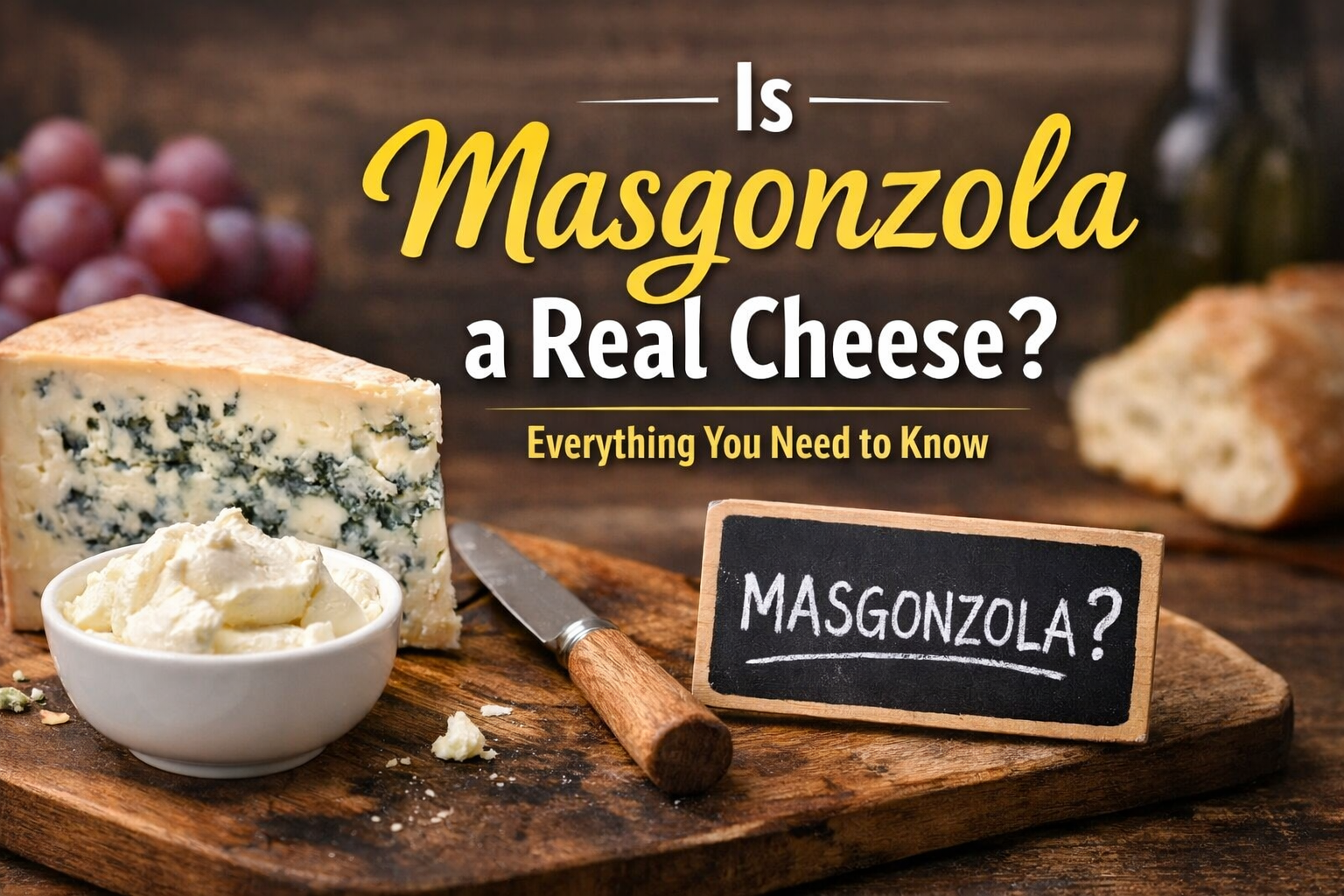
The word masgonzola has started to catch attention online, especially among people who enjoy discovering new food terms and unusual cheese names. At first glance, it sounds like a real cheese, and that is exactly why many readers become curious about it.
Some people think masgonzola may be a forgotten cheese variety, while others believe it is simply a spelling mistake or an internet-created term. In this guide, we will explore what masgonzola means, whether it is a real cheese, and why so many people are searching for it.
What Is Masgonzola?
Masgonzola is a term that sounds closely related to famous cheeses, especially gorgonzola. Because of that, many people assume it must be a genuine dairy product with a rich history. However, the reality is not that simple, and the word remains unclear in many contexts.
In most cases, masgonzola is not widely recognized as an official cheese name in traditional cheese lists or common food terminology. Instead, it appears to be a confusing term that may come from online use, spelling variation, or creative naming connected to cheese culture.
Is Masgonzola a Real Cheese?
The big question is simple: Is masgonzola a real cheese? Based on common usage and general understanding, masgonzola does not appear to be a formally recognized cheese like cheddar, mozzarella, brie, or gorgonzola. It is not a standard name most people find in everyday cheese shops.
That said, the word still feels believable because it sounds so natural. Many food-related words are built from familiar patterns, and masgonzola fits that style perfectly. This is why readers often believe it is real, even when the term may actually be informal, invented, or misunderstood.
The Possible Origin of the Word Masgonzola
The origin of masgonzola is likely connected to the way people combine known food words to create something new. It may have been inspired by famous cheeses such as mascarpone and gorgonzola, blending the sound of both names into one interesting word.
This kind of word creation happens often on the internet. Bloggers, recipe writers, and casual users sometimes invent names without meaning to create confusion. A term may begin as a joke, a typo, or a playful recipe idea, then slowly spread as more people search for it.
Masgonzola vs Gorgonzola
When comparing masgonzola vs gorgonzola, the difference becomes clearer. Gorgonzola is a well-known Italian blue cheese with a strong identity, long tradition, and distinct flavor. It is famous for its creamy texture, sharp aroma, and blue-green veining.
Masgonzola, on the other hand, does not have the same recognition. It lacks the clear background, protected status, and historic reputation that real traditional cheeses usually have. This is why many people believe masgonzola is simply a mistaken version of gorgonzola rather than a separate cheese.
Could Masgonzola Be a Misspelling?
Yes, one strong possibility is that masgonzola is simply a misspelling. Many users type quickly, hear words incorrectly, or confuse cheese names that sound alike. Since gorgonzola is already a complex word, it is easy for small errors to appear during searches.
Spelling mistakes often become popular on search engines because thousands of people make the same mistake. Once that happens, the wrong version starts appearing in articles, comments, and social media posts. That can make the term look more real than it actually is.
Is Masgonzola a Cheese Blend?
Another interesting possibility is that masgonzola may refer to a cheese blend rather than a traditional cheese. Some people connect the term to a mix of mascarpone and gorgonzola, two cheeses that are sometimes paired together for a creamy yet bold taste.
If used in that way, masgonzola could describe a soft, rich, and slightly tangy cheese mixture. While that does not make it an official standalone cheese, it could explain why the name feels believable. Food lovers often create fusion names when combining ingredients in recipes or serving boards.
Why Is Masgonzola Appearing Online?
The internet gives unusual words a chance to spread very quickly, and masgonzola is a good example of that. Once a strange or unfamiliar word appears in a blog post, search result, or online discussion, people start clicking because they want to know whether it is real.
Curiosity plays a big role here. A term like masgonzola sounds fancy, gourmet, and slightly mysterious. That makes it perfect for online attention. Even if the word started as a typo or blend, repeated searches can turn it into a trending topic among food readers.
What Does Masgonzola Taste Like?
If masgonzola refers to a mascarpone and gorgonzola-style blend, the taste would likely be rich, creamy, and slightly sharp. The mascarpone side would bring softness and mild sweetness, while the gorgonzola side would add a salty, bold, and tangy blue-cheese flavor.
This imagined flavor profile makes the word even more attractive. It sounds like a luxurious cheese that could be used in pasta, dips, risotto, or cheese platters. Even though the term may not be official, people can still picture the taste very easily, which helps the word remain memorable.
How People Use the Word Masgonzola
People may use masgonzola in several ways depending on the context. Some use it by mistake when they really mean gorgonzola. Others use it as a creative food term, especially when describing a creamy blue cheese blend for recipes or gourmet dishes.
In online content, the meaning of masgonzola often depends on the writer’s intention. One person may treat it like a real cheese, while another may use it in a playful or informal way. This flexible usage adds to the confusion and keeps readers guessing about its true meaning.
Should You Use the Term Masgonzola?
Using the word masgonzola can be acceptable in casual conversation, especially if you are discussing internet food trends or creative recipe names. It may sound stylish and interesting, which can make it useful in informal writing or social media posts.
However, if accuracy matters, it is better to use established cheese names like gorgonzola or mascarpone. In professional food writing, menus, or product descriptions, clarity is more important than creativity. Choosing the correct term helps readers understand exactly what you mean.
Common Questions About Masgonzola
Is masgonzola sold in stores?
Masgonzola is not commonly known as a standard store-bought cheese name. Most supermarkets and cheese shops focus on recognized varieties, so shoppers are more likely to find gorgonzola, mascarpone, parmesan, or brie rather than a product clearly labeled as masgonzola.
If the word is used at all, it may appear in a niche food setting, recipe description, or creative product label. Even then, it would probably describe a blend or idea rather than a fully established cheese category with wide commercial presence.
Is masgonzola the same as gorgonzola?
Masgonzola is not exactly the same as gorgonzola, although many people may use the two terms as if they are connected. Gorgonzola is a real and well-known cheese, while masgonzola appears to be more informal, unclear, or possibly mistaken.
The connection between the two comes mainly from sound. Because the words are similar, readers easily assume they refer to the same thing. In reality, masgonzola may simply point back to gorgonzola or to a blend inspired by it.
Why are people searching for masgonzola?
People search for masgonzola because it sounds authentic and intriguing. It has the kind of name that feels like it belongs in a cheese shop or on a gourmet menu, so naturally people want to know whether it is real, where it comes from, and how it tastes.
Another reason is online confusion. Once unusual words appear in articles or search results, they attract attention. Readers click out of curiosity, and that curiosity keeps the keyword alive. In this way, a mysterious word can become popular even without having a clear official meaning.
Final Thoughts
So, is masgonzola a real cheese? In most practical terms, it does not seem to be a formally recognized cheese with a long tradition or official status. Instead, it is more likely a misspelling, a blended term, or a creative internet phrase connected to well-known cheeses.
Still, the fascination around masgonzola makes sense. It sounds rich, elegant, and believable, which is why so many people search for it. Whether you see it as a typo, a cheese blend idea, or an online curiosity, masgonzola remains an interesting example of how food language evolves in the digital world.
