


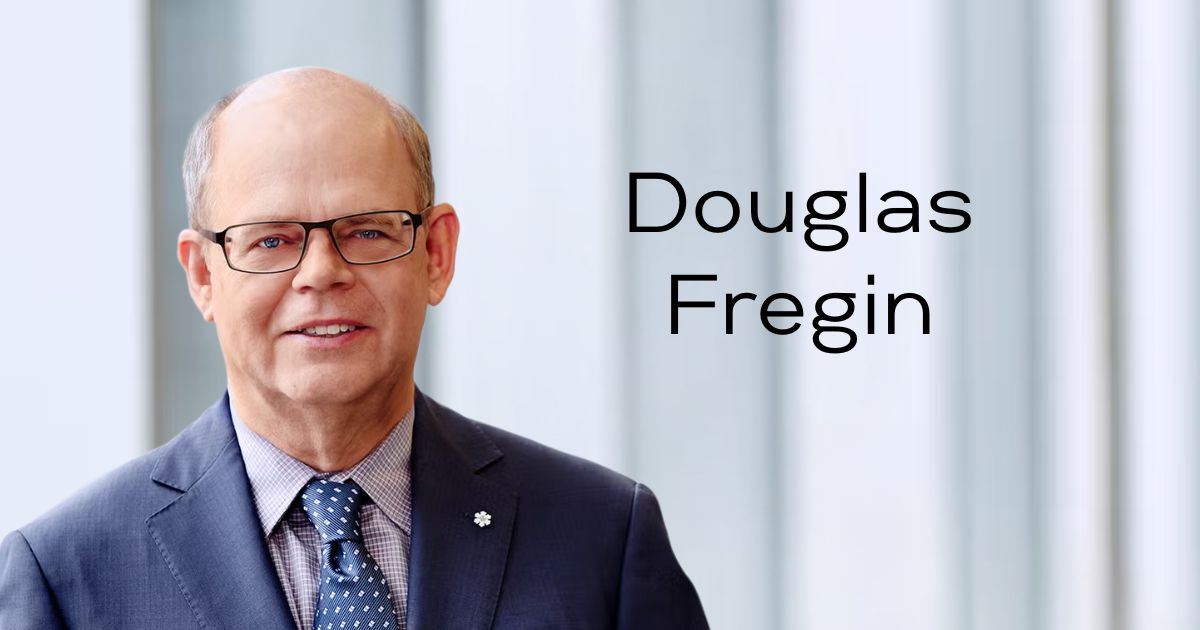
Douglas Fregin is best known as a co-founder of Research In Motion, the Canadian company that later became closely linked with BlackBerry devices. While others became public faces, his career highlights show how steady operators quietly shape world-changing technology.
In this guide, you’ll follow Douglas Fregin’s path from engineering roots to startup building, scaling operations, and later supporting frontier science. The aim is simple: understand what he did, why it mattered, and what today’s builders can apply.
Early Life and Education
Before wireless email and boardroom buzzwords, Douglas Fregin’s story begins with curiosity about how systems behave under pressure. Like many practical innovators, he gravitated toward electronics, where careful design turns abstract ideas into devices people can rely on.
His electrical engineering education strengthened habits that matter in entrepreneurship: testing assumptions, documenting decisions, and iterating fast. Those skills become career-defining in startups, where limited resources demand smart trade-offs, clear priorities, and constant learning in real projects daily.
The Tech Landscape Before RIM
In the early 1980s, wireless communication was promising but uneven. Hardware was costly, networks were limited, and “mobile computing” felt futuristic. That gap between what technology could do and what customers needed created room for ambitious new companies.
Founders who understood both engineering and execution had an edge. If you could build reliable products, make them manufacturable, and ship consistently, you earned trust in markets that valued stability. That context helps explain Douglas Fregin’s operational importance.
Founding Research In Motion: The Origin Story
Douglas Fregin helped launch Research In Motion in 1984, aiming to build wireless technologies that were useful, not merely impressive. Early startup years are messy, and progress depends on people who can turn prototypes into repeatable products.
Co-founding is also about resilience. You learn to handle uncertainty, early customer feedback, and tight budgets without losing focus. Douglas Fregin’s career highlights begin here, in the grind of building a company that could survive and eventually lead.
Douglas Fregin’s Core Role Inside the Company
Many technology stories celebrate vision, but execution is what makes vision real. Douglas Fregin is often described as a behind-the-scenes leader focused on operations and the practical work of building systems that scale without breaking with calm, methodical thinking.
Operations means translating engineering into process: sourcing, manufacturing readiness, quality control, and timelines. When done well, it becomes invisible, which is why it’s overlooked. Yet these “unseen” decisions often decide whether innovation becomes a dependable platform across teams and timelines.
From RIM to BlackBerry: The Growth Years
As the company grew, its tools moved from specialized use to wide adoption. This phase required more than clever design; it required consistency. Scaling meant managing complexity—more suppliers, more users, more expectations, and less margin for mistakes.
Douglas Fregin’s career highlights in this era are tied to stability under pressure. Rapid growth can scatter teams and dilute standards. Strong operational discipline keeps priorities aligned, keeps deadlines realistic, and keeps customer promises credible as the stakes rise.
Major Career Highlights and Contributions
A major highlight is building “repeatable success.” That sounds abstract, but it shows up in testing standards, production routines, and predictable delivery. Those foundations let product teams innovate without constantly fighting preventable failures or last-minute chaos in fast-moving product cycles.
Another contribution is cultural. Startups can become noisy and reactive, but solid operations encourage focus, accountability, and calm learning. Douglas Fregin’s legacy is often called quiet because it lives inside systems, not speeches, yet it shapes everyday outcomes.
Partnership and Leadership Dynamic
Co-founder partnerships work best when strengths complement. Some leaders are public storytellers; others are internal architects who protect quality and rhythm. Douglas Fregin’s career highlights make more sense when viewed through this balanced leadership dynamic, especially during high growth.
Clear roles speed decisions. One partner may champion product direction and external relationships, while another safeguards execution and scalability. This split is not secondary; it often determines whether a fast-growing company expands smoothly or collapses under its own complexity.
Stepping Away: Later Years After RIM
Many founders step away from day-to-day operations after major growth phases. Sometimes it’s personal; sometimes it’s strategic. As organizations mature, leadership needs shift, and the best contribution can be creating space for new operators to lead well.
Douglas Fregin’s later years reflect a common founder arc: moving from building to guiding. Leaving an operating role doesn’t erase impact; it confirms it. When a company runs well without you, it often means you built structures that last.
Investing and the Quantum Valley Era
After operating, some founders turn to investing in the next wave of technology. Douglas Fregin’s quantum-focused activity signals a continued interest in deep engineering and long time horizons—areas where patience, rigor, and collaboration matter with a long view.
Quantum work is not a quick-win field. It relies on research, talent networks, and decades-long development cycles. Supporting that ecosystem can be another career highlight: helping create conditions for breakthroughs, even when results arrive slowly and unpredictably.
Awards, Recognition, and Public Profile
Douglas Fregin has received recognition for contributions to technology and innovation, yet he remains comparatively private. That contrast reinforces a key lesson from his career highlights: meaningful impact does not require constant visibility or a loud personal brand.
Honors can signal industry and national appreciation, but they rarely capture the day-to-day work that earned them. In Fregin’s case, recognition aligns with a long pattern of building infrastructure—technical, operational, and organizational—that enables others to shine year after year quietly.
Leadership Lessons from Douglas Fregin’s Career
Lesson one is that execution is a competitive advantage. Ideas are everywhere; delivery is rare. Douglas Fregin’s story shows how strong operations can reduce errors, protect product teams, and turn ambitious plans into dependable outcomes customers trust.
Lesson two is that leadership can be quiet and still powerful. When you design good systems, people succeed more easily, even if they never see your fingerprints. For founders, the takeaway is practical: build processes that scale, and influence multiplies.
Conclusion
Douglas Fregin’s career highlights trace a path from hands-on engineering to co-founding a company that shaped mobile communication, and then supporting future technologies through investment. His story is a reminder that “builder” is a leadership style for years to come.
For readers, his legacy offers creative but practical inspiration: focus on what works, refine what doesn’t, and treat reliability as a form of innovation. In a world chasing attention, Douglas Fregin shows how steady craft can still change history.
