


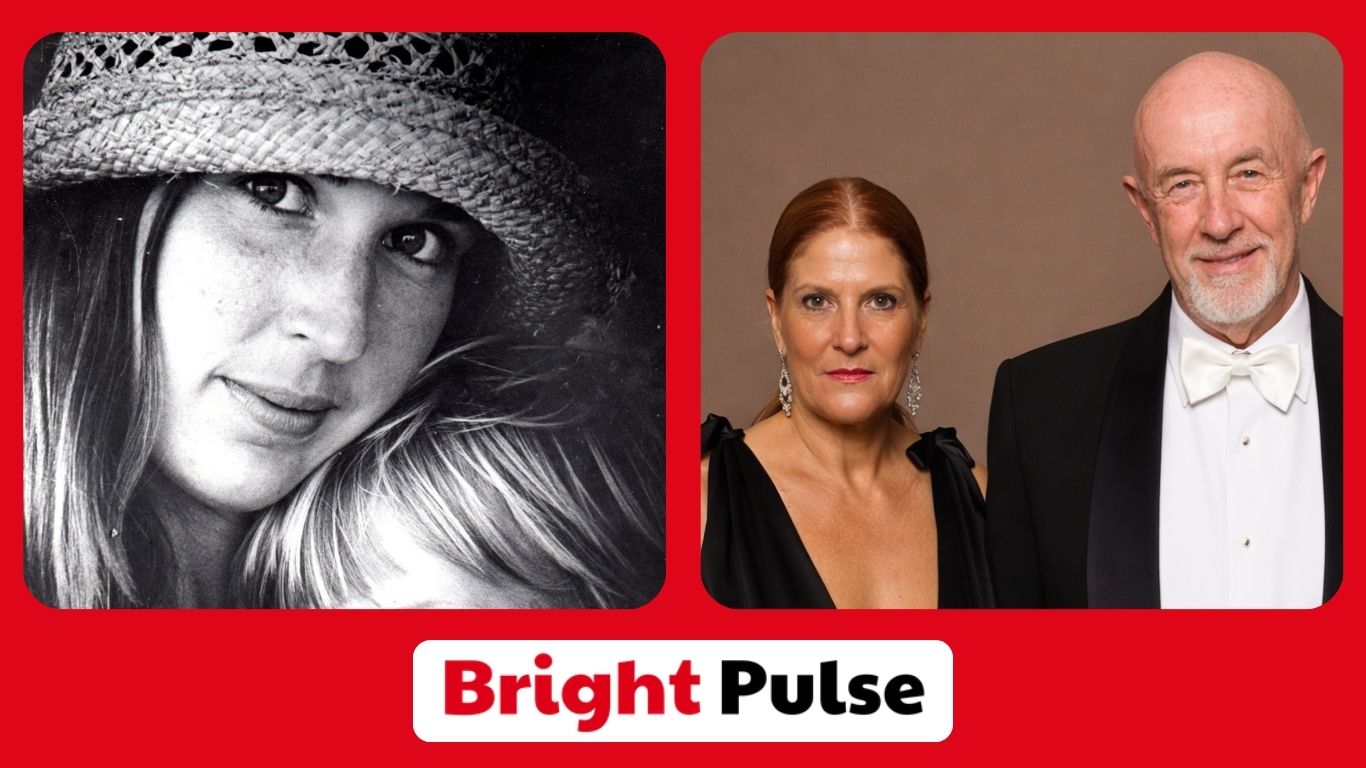
Marnie Fausch Banks is a name that shows up in two main places online: local Florida journalism history and entertainment biographies. People often search it while trying to understand who she was beyond a single mention in someone else’s life.
At her core, Marnie Fausch Banks is associated with a real person recorded as Marion “Marnie” F. Banks, remembered as a newspaper founder. This article focuses on her early life and what credible records actually support.
What We Know From Credible Records
When you research Marnie Fausch Banks, you’ll notice that dependable details come from public memorial records and published obituaries, not from copy-and-paste “celebrity bio” pages. These stronger sources anchor the timeline with dates and roles.
Credible records commonly describe her as Marion “Marnie” F. Banks, born in 1947 and deceased in 1991, and they highlight her work founding the Boca Beacon in Boca Grande, Florida. That career note matters when discussing her early development.
Marnie Fausch Banks’ Birth Name and Nickname
A key point of confusion is naming. “Marnie” appears as a nickname connected to Marion, and some records include “Carr” as part of her full name. That can make it look like multiple people, when it’s often one.
Because journalism, marriage, and relocation can change how a person is listed in print, the same individual may show up under several formats—Marion Carr, Marion F. Banks, or Marnie Fausch Banks. Understanding that prevents false assumptions early on.
Where Was Marnie Fausch Banks Born?
Public memorial information commonly identifies Pennsylvania as her birth state. That single detail may feel small, but it grounds her origins in a specific region and helps separate verified information from the many online profiles that add unconfirmed locations.
It’s still wise not to overreach. Unless a record provides a city or county, you shouldn’t “fill in the blank” with a hometown. In early-life writing, accuracy is more valuable than extra color—because readers tend to repeat details as fact.
Family Background and Upbringing
Obituary reporting links Marion “Marnie” Banks to a notable publishing family connection, describing her as a granddaughter of Charles C. Carr, associated with the St. Petersburg Times as a former part owner. That context hints at an environment familiar with media.
Still, “familiar with media” is not the same as “raised to become a journalist.” Early life can be influenced by family networks, but personal ambition and skill are separate. A careful biography acknowledges the connection without turning it into a guaranteed storyline.
Education and Early Interests
Many people want to know where Marnie Fausch Banks studied, what she read, and what she dreamed of doing. However, widely accessible sources don’t reliably list schools or degrees. The responsible approach is to separate curiosity from confirmation.
What we can say is that founding a newspaper later in life typically involves strong writing habits, comfort with community issues, and editorial discipline. In an early-life section, you can frame these as likely skill paths, not as documented childhood facts.
First Steps Toward a Writing Career
Before someone creates a publication, they usually spend time learning how information moves: interviewing, editing, verifying, and meeting deadlines. Even if Marnie Fausch Banks’ first newsroom roles aren’t publicly listed, her later work implies serious experience.
A useful way to write this stage is to describe the craft rather than invent employers. Early writing careers often begin with local reporting or editorial assistance, building trust in small communities. That steady reputation becomes the foundation for bigger publishing decisions later.
Early Adulthood: Key Life Changes
Early adulthood is where timelines often blur online, especially when people relocate. For Marnie Fausch Banks, later records connect her with Florida, but the exact steps between birthplace and professional identity aren’t always spelled out in public summaries.
Instead of forcing a neat narrative, you can describe early adulthood as a period of transition—work opportunities, personal reinvention, and network building. This framing stays honest while still giving readers a meaningful picture of how a future newspaper founder emerges.
Marnie Fausch Banks and Name Change After Marriage
The keyword “Marnie Fausch Banks” itself signals how names can layer over time. People may appear under a maiden name, a married name, or a professional byline. That’s why some databases show “Fausch,” while obituaries emphasize “Banks.”
In practical terms, name changes can make search results look contradictory when they’re not. For researchers, the best method is to cross-check dates, locations, and roles. If those align, different name formats often reflect different life chapters, not different individuals.
Relationship Context People Ask About
Many searches connect Marnie Fausch Banks to actor Jonathan Banks, whose biographies state he married Marnie Fausch in 1968, had one daughter, and divorced in 1970. That is frequently why her name circulates widely today.
But an “early life” article shouldn’t let that relationship swallow her identity. It’s relevant as a record-based fact, yet her significance also comes from her own professional footprint. A balanced approach mentions the context briefly, then returns to her life and work.
The Path Toward Building Her Own Publication
Obituaries describe Marion “Marnie” Banks as founder of the Boca Beacon in Boca Grande. Founding a paper usually grows from recognizing a community’s need—clear local updates, civic coverage, and a dependable source of truth in a small area.
Early life matters here because it shapes what a publisher values: accuracy, community tone, and consistency. Even without detailed childhood anecdotes, the later outcome suggests she had the confidence to lead, the judgment to curate stories, and the persistence to publish regularly.
Common Myths and Online Confusion
A big challenge with Marnie Fausch Banks is that low-quality pages often repeat each other, adding dramatic details without sourcing. Once a claim appears in multiple places, it can feel “true,” even if it began as speculation or a misread record.
To avoid myths, prioritize sources that show real publication work, memorial records, or reputable biographical references. Obituaries and established reference sites are imperfect, but they are more accountable than anonymous “profile” articles. Verify the same detail in at least two solid places.
Conclusion
Marnie Fausch Banks is more than a passing name in a celebrity biography. Records remember her as Marion “Marnie” F. Banks (1947–1991), associated with founding the Boca Beacon—work that depends on integrity, local trust, and real editorial skill.
Her early life remains partly private, and that’s okay. A truthful biography doesn’t pretend to know everything; it builds from what’s verified and leaves space for what isn’t. In doing so, we respect both history and the person behind the keyword.
