


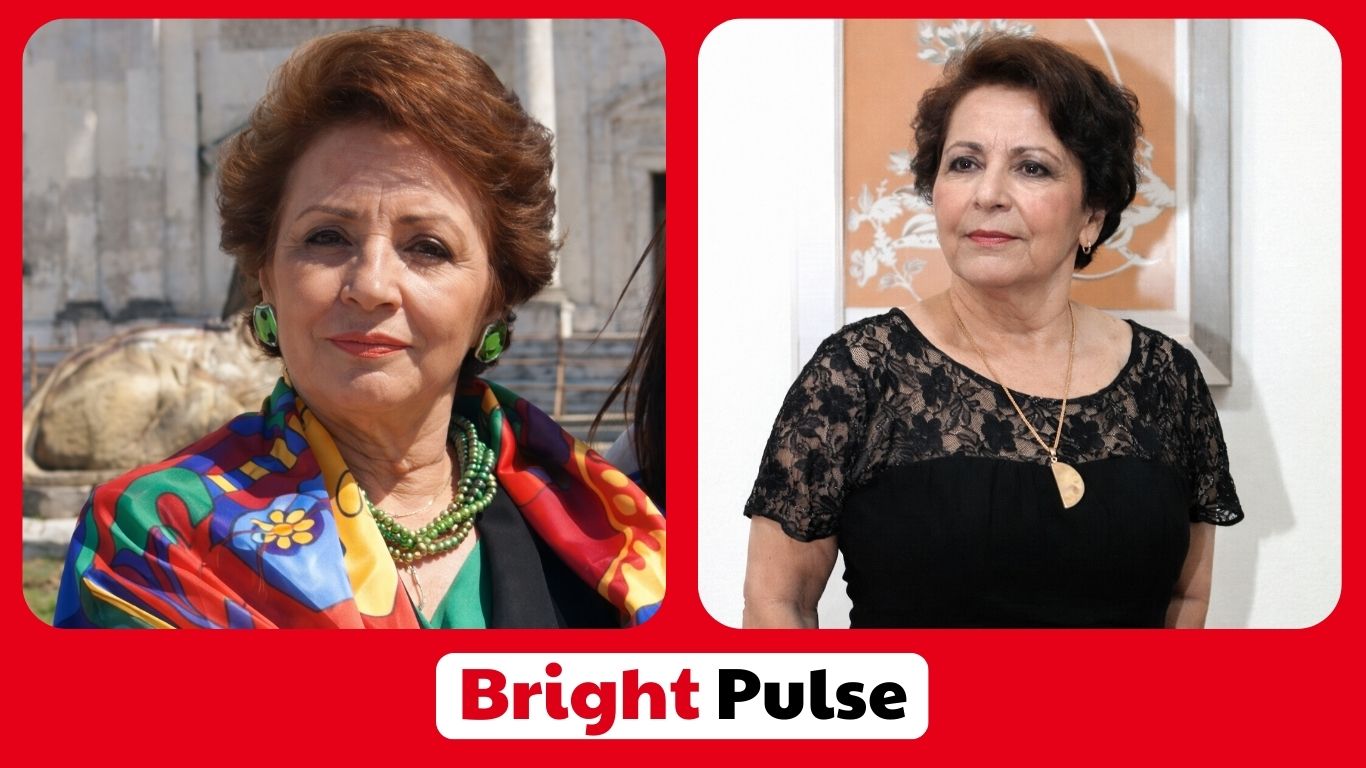
When people search nydia palacios tulane, they are usually trying to connect a respected Nicaraguan literary scholar with her graduate studies in New Orleans. The keyword often appears in bios because Tulane is where her advanced academic training is frequently highlighted.
This quick bio brings the story together in a simple, readable way. You’ll learn what she studied, where she taught, and why her cultural and academic roles are often mentioned alongside her name in official and media references.
Quick Facts at a Glance
Nydia Palacios is described in academic profiles as a writer and scholar linked to Nicaraguan literature and broader Hispanic literary studies. Her educational path is commonly presented as moving from university studies in Nicaragua to advanced degrees in the United States.
Many bios also highlight leadership and recognition: she is noted as the first woman to lead the Instituto Nicaragüense de Cultura Hispánica (2006–2008), and she is referenced in coverage related to the Academia Nicaragüense de la Lengua.
Early Life and Roots in Nicaragua
Most public profiles frame her as a Nicaraguan intellectual whose work grows from local culture, language, and literary identity. Even when a biography is brief, it tends to position her as someone shaped by Nicaragua’s literary tradition and public cultural life.
This matters because her later studies and writing do not read like “a career abroad only.” Instead, her academic direction is often described as a bridge—linking international scholarship with Nicaraguan voices, authors, and literary history.
Education Before Tulane
Before Tulane enters the story, her academic training is often traced to education studies in Nicaragua. An ASALE biography states she studied Education Sciences with a Spanish specialisation at the Universidad Nacional Autónoma de Nicaragua (UNAN).
That foundation helps explain her later focus: strong language training, teaching experience, and a deep interest in literature. Many scholars begin with pedagogy and later specialise, and her profile fits that pattern in a clear, logical way.
Tulane University Years (Main Keyword Section)
The core of the nydia palacios tulane search intent is her graduate work. According to ASALE, she earned both a master’s and a doctorate at Tulane University in New Orleans, focused on Hispanic American literature and Spain’s Golden Age literature.
That same profile gives a commonly cited timeframe: 1988–1996. These years are often used to anchor her academic timeline, showing when her research training became fully specialised and internationally connected.
Academic Focus: What She Studied and Researched
“Hispanic American literature” is a wide field, but it usually means studying Latin American authors, movements, and cultural debates through texts, history, and criticism. Her bios present this as one of her central lenses for understanding identity and literature together.
The “Spanish Golden Age” component (Siglo de Oro) often points to classical foundations—major writers, drama, poetry, and the cultural ideas that shaped Spanish-language literature. Pairing both areas suggests a scholar trained to compare traditions across centuries.
Teaching and Work in the United States
Some biographies note that she spent around a decade in the United States and taught Spanish and Literature in New Orleans. One public profile states she taught at Loyola and Tulane during that period.
Teaching while studying can shape how a scholar writes: clearer explanations, stronger structure, and a habit of connecting texts to real readers. Even without long personal memoirs, this teaching detail helps explain the “accessible but scholarly” tone often linked to her work.
Return to Nicaragua and Cultural Leadership
After her U.S.-based academic period, her public story frequently turns toward cultural and institutional work connected to Nicaragua. In many profiles, this is where she becomes not only a scholar, but also someone involved in guiding cultural conversation.
This shift is important for readers who think literary careers happen only inside universities. Her timeline suggests another route: scholarship that also serves public culture—events, organisations, and national literary heritage—without leaving research behind.
Leadership Milestone: Instituto Nicaragüense de Cultura Hispánica
A major biographical point repeated across sources is her leadership at the Instituto Nicaragüense de Cultura Hispánica. ASALE describes her as the first woman to hold the presidency, and it specifies the period 2006–2008.
Fundéu also repeats this leadership detail, reinforcing that it is more than a minor footnote. For many readers, this role signals public trust—an indicator that her work was seen as valuable not only academically, but also culturally and socially.
Books and Major Written Works (Overview)
Coverage of her work often lists titles tied to literary criticism and cultural study. Fundéu mentions books on women’s voices in narrative, studies of Hispanic American and Nicaraguan literature, and multiple works linked to Rubén Darío.
These titles suggest a consistent theme: literature as a living conversation, not a museum piece. When a writer returns again and again to major figures like Darío and to women’s writing, it usually points to a long-term project—expanding how a nation reads itself.
Recognition and Academy Membership
Recognition often follows sustained work, and her name appears in references connected to the Academia Nicaragüense de la Lengua. A major news-style profile notes her incorporation as an “Académica de Número,” linked to the silla “C.”
H3) Entry into the Nicaraguan Academy of Language
Fundéu also covered her incorporation, presenting it as a notable cultural-literary event and again highlighting her leadership achievements. When multiple outlets and institutional references align, it usually signals that the person’s work has broad recognition within national cultural structures.
Common Confusions: Is “Nydia Palacios Tulane” More Than One Person?
Online, names can overlap. “Nydia Palacios” may appear in different professional contexts, and the keyword nydia palacios tulane is used to point specifically to the literary scholar whose biography mentions Tulane University and Hispanic literature studies.
A simple verification trick is to look for consistent markers: Nicaragua-focused literary work, references to Spanish Golden Age studies, and links to cultural institutions or language academies. If those pieces match, you are likely reading about the same person.
FAQs
Was Nydia Palacios affiliated with Tulane?
Yes—an ASALE biography says she earned a master’s and PhD at Tulane University in New Orleans, and it provides the commonly cited study period of 1988–1996.
What did she study, and what is she known for?
Sources describe her focus on Hispanic American literature and Spain’s Golden Age, plus cultural leadership (including 2006–2008 at the Instituto Nicaragüense de Cultura Hispánica) and recognition linked to the Nicaraguan language academy.
